The Rise of Fast Fashion and Its Future of Fast Fashion

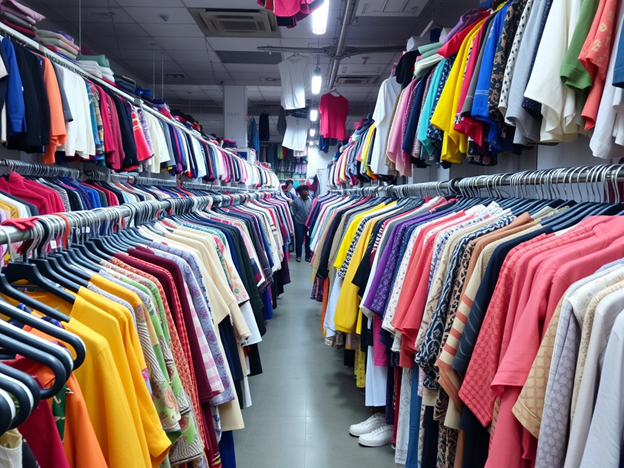
The rise of fast fashion has revolutionized the clothing industry, making trendy styles accessible to a wider range of consumers. This fast fashion business model focuses on rapidly producing affordable clothing, catering to the ever-changing demand for the latest new fashion trends. While the impact of fast fashion is a subject of debate, its influence on how people consume clothing is undeniable, especially because of companies like Shein and Zara.
The Rise of Fast Fashion
History of Fast Fashion
The history of fast fashion can be traced back to the late 20th century, when technological advancements and globalization of the global fashion industry began to accelerate production cycles. Fashion industry’s traditional seasonal collections were replaced by more frequent releases, driven by the demand for up-to-the-minute styles. The emergence of brands like Zara and H&M further solidified fast fashion’s presence, offering affordable alternatives to high-end fashion houses and reshaping the fashion industry.
How Fast Fashion Became Mainstream
Several factors contributed to how fast fashion became mainstream. The role of technology in streamlining supply chain processes cannot be overstated, enabling fashion companies to quickly translate runway designs into mass-produced garments available to consumers. Additionally, the rise of social media, influencer culture, and the use of the traditional fashion model amplified fashion trends, creating a constant demand for new clothes. The nature of fast fashion is speed, and the whole system fast fashion relies on—from design to marketing—capitalized on this by offering affordable, on-trend options, further fueling its popularity, despite the environmental concerns.
Consumer Demand and Trends
Consumer demand plays a pivotal role in shaping the landscape of the fast fashion industry. The desire for affordable, trendy clothing that reflects current fashion trends drives the rapid production cycles and constant turnover of fast fashion items. Shoppers are drawn to the accessibility and affordability of fast fashion clothing, enabling them to experiment with different styles without breaking the bank. However, this constant pursuit of new clothes also contributes to issues like textile waste and ethical concerns like low wages for garment workers.
Benefits of Fast Fashion
Affordability and Accessibility
One of the key benefits fast fashion provides is its affordability, making trendy garments accessible to a broader range of consumers. Unlike high-end designer wear, fast fashion—and the affordable clothing it produces—is priced competitively, enabling shoppers to stay on top of the latest fashion trends without breaking the bank. This accessibility democratizes fashion, allowing individuals from various socioeconomic backgrounds to participate in fashion industry trends. The rise of fast fashion brands has made it easier for consumers to update their wardrobes frequently, catering to the ever-changing demand for new clothes. Even controversial brands like Shein and Zara are offering products at lower costs to ordinary customers.
Diverse Styles and Trends
The fast fashion industry offers a diverse range of styles and fashion trends, catering to various consumer preferences and tastes. Fast fashion retailers constantly update their collections, incorporating the latest runway designs and celebrity-inspired looks. This variety allows shoppers to experiment with different styles and express their individuality through clothing. The rapid turnover of fast fashion items ensures that there’s always something new and trendy available, catering to the demand for fresh and exciting garments. This contrasts with slow fashion, which emphasizes timeless styles over fleeting trends. The breadth of choice is one of the major advantages of fast fashion.
Convenience in Shopping
Convenience is a significant factor driving the popularity of fast fashion. Common fast fashion brands and retailers often have a widespread presence, with stores located in shopping malls and urban centers, making it easy for consumers to browse and purchase new clothes. Additionally, many fast fashion brands have a strong online presence, offering shoppers the convenience of shopping from the comfort of their homes. This accessibility and convenience cater to the demand for instant gratification, allowing consumers to quickly and easily access the latest fashion trends from the fashion world, thus reinforcing the benefits of fast fashion in the modern fashion sector.
Fast Fashion vs. Slow Fashion
Understanding Slow Fashion
In contrast, fast fashion is defined by its emphasis on speed and affordability, while slow fashion prioritizes quality, durability, and ethical production methods. Slow fashion champions timeless designs over fleeting fashion trends, encouraging consumers to invest in fewer, higher-quality garments that last longer. Sustainable fashion principles, such as using organic textiles, minimizing textile waste, and ensuring fair working conditions for garment workers, are central to the slow fashion movement. By promoting conscious consumption and supporting local artisans, slow fashion aims to create a more environmentally and socially responsible fashion industry. Unlike fast fashion’s reliance on synthetic materials like polyester, slow fashion favors natural, sustainable fibers.
Comparative Benefits and Drawbacks
While fast fashion offers immediate gratification through affordable and trendy clothing, it often comes at a high price: the true cost of fast fashion is its expense to environmental sustainability and ethical labor practices. The rapid production cycles and low wages associated with fast fashion contribute to pollution, textile waste ending up in landfills, and poor working conditions for garment workers in factories. On the other hand, slow fashion promotes sustainability and ethical production, but its higher price points may be less accessible to some consumers. The advantages of fast fashion include affordability and a wide range of styles, while its drawbacks encompass environmental harm and social injustice. The rise of fast fashion needs a counter weight.
Consumer Choices and Ethical Considerations
As consumers become more aware of the environmental and social impact of fast fashion, they are increasingly seeking alternatives that align with their values. These fashion choices include purchasing from sustainable brands or supporting local artisans, which allows shoppers to make a positive difference. Opting for quality over quantity, repairing and repurposing clothing, and reducing overall consumption are also effective strategies for minimizing the negative effects of fast fashion’s use. By making informed purchasing decisions and supporting brands committed to sustainability and ethical labor practices, consumers can drive positive change within the fashion sector, prioritizing sustainability alongside fashion trends, and even embracing ideas like “outfit repeating” as a stylish, conscious choice.
Impact on the Planet
Textile Waste and Environmental Concerns
The impact on the planet due to fast fashion is significant, primarily stemming from massive textile waste. The fast fashion industry thrives on quick turnover, leading to a throwaway culture where garments are discarded after only a few uses. This results in overflowing landfills, filled with textile waste that takes years to decompose, contributing to soil and water pollution. Synthetic materials like polyester, commonly used in fast fashion clothing, exacerbate the issue as they are not biodegradable, further harming the environment. The excessive use of resources in manufacturing further contributes to this problem and highlights the environmental concerns of fast fashion’s rapid production and disposable nature.
Sustainable Practices in Fast Fashion
Recognizing the detrimental impact of fast fashion, some brands and retailers are beginning to adopt sustainable practices. These efforts include using recycled textiles, organic cotton, and other eco-friendly materials in the production of garments. Technology is also playing a role, with innovative dyeing and manufacturing processes that reduce water and energy consumption. Some fast fashion companies are also investing in recycling programs to minimize textile waste. However, the challenge lies in scaling these practices across the entire fast fashion industry to truly mitigate its environmental impact. Although critics often argue these efforts by common fast fashion giants like H&M and Zara are insufficient to offset the massive scale of their environmental footprint.
Role of Ethical Brands
Ethical and sustainable brands play a crucial role in promoting sustainable fashion practices and offering consumers alternatives to fast fashion clothing. These brands prioritize fair working conditions for garment workers, ensuring they receive fair wages and safe factory environments. They also focus on using environmentally friendly materials and reducing textile waste. By supporting ethical fashion brands, shoppers can contribute to a more responsible and sustainable fashion sector. Furthermore, these companies often emphasize transparency in their supply chain, allowing consumers to make informed choices. The growing awareness of the negative consequences of fast fashion’s use empowers more consumers to actively seek out and support these ethical fashion options. While ultra fast fashion giants like Shein dominate the market, ethical brands offer a much-needed counterweight.
Future of Fast Fashion
Trendy Innovations in the Industry
The future of the fast fashion industry hinges on integrating trendy innovations that address its environmental and ethical shortcomings. Technology is already driving advancements in areas like 3D printing and on-demand manufacturing, potentially reducing textile waste and enabling more personalized garment production. Sustainable materials such as bio-based fabrics and recycled synthetics are gaining traction, offering alternatives to conventional polyester and cotton. Furthermore, the use of AI to predict fashion trends and optimize supply chain processes could minimize overproduction and waste. These innovations, however, must be implemented responsibly to genuinely mitigate the negative effects of fast fashion, particularly with the rise of brands like Shein that epitomize unsustainable practices.
Balancing Trends with Sustainability
Finding a balance between keeping up with fashion trends and promoting sustainability is a key challenge for the fast fashion industry. Fashion companies can achieve this balance by adopting circular economy principles, which prioritize recycling, reusing, and repurposing garments. Encouraging consumers to participate in clothing rental services, resale platforms, and repair programs can also extend the lifespan of fast fashion items. Additionally, fast fashion retailers can collaborate with designers and sustainable clothing brands to create eco-friendly collections that appeal to shoppers seeking both style and sustainability. Ultimately, striking this balance requires a shift in mindset, viewing garments as valuable resources rather than disposable commodities.
Consumer Responsibility and Awareness
Consumer responsibility and awareness are crucial for driving positive change in the fashion sector. As shoppers become more informed about the environmental and social impact of fast fashion, they can make more conscious purchasing decisions. This includes choosing quality over quantity, supporting sustainable fashion options, and demanding greater transparency from fast fashion companies regarding their supply chain and labor practices. By advocating for change and holding fashion industry accountable, consumers can help shift the demand towards more ethical and environmentally friendly practices. Social media and influencer campaigns can play a significant role in raising awareness and promoting sustainable choices. Ultimately, the future of fast fashion depends on consumers embracing a more mindful approach to consumption, prioritizing sustainability alongside fashion trends.